In this module, Finding Evidence of Slavery in the Archives, students investigate how the history of slavery is preserved in ordinary documents of everyday life. Focusing on archival materials such as advertisements, students will learn to recognize how slavery was embedded in the daily rhythms of American society.
Using runaway slave advertisements as an example, students will examine how newspapers functioned as tools that normalized slavery. Advertisements also reveal how enslaved people were described and commodified: violence, control, and resistance woven into mundane texts.
Reading
“In Colonial Complexions, historian Sharon Block examines how Anglo-Americans built racial ideologies out of descriptions of physical appearance. By analyzing more than 4,000 advertisements for fugitive servants and slaves in colonial newspapers alongside scores of transatlantic sources, she reveals how colonists transformed observable characteristics into racist reality.” (Penn Press)
Block, Sharon. Colonial Complexions: Race and Bodies in Eighteenth-Century America.University of Pennsylvania Press, 2018.
Podcast
“Sharon Block, a Professor of History at the University of California Irvine, serves as our guide through how historians conduct historical research online. During our exploration, Sharon reveals how the digital age has changed and added to the ways historians research; How historians research online; And, how we can locate historical information online.” (Doing History Podcast)
Episode 092: Sharon Block, How to Research History Online
Podcast: Doing History
Date: July 26, 2016
Duration: 1 hour
Online Collection
“Freedom on the Move is a database of fugitives from North American slavery. With the advent of newspapers in the American colonies, enslavers posted “runaway ads” to try to locate fugitives. Additionally, jailers posted ads describing people they had apprehended in search of the enslavers who claimed the fugitives as property.” (Freedom on the Move)
In-Class Discussion
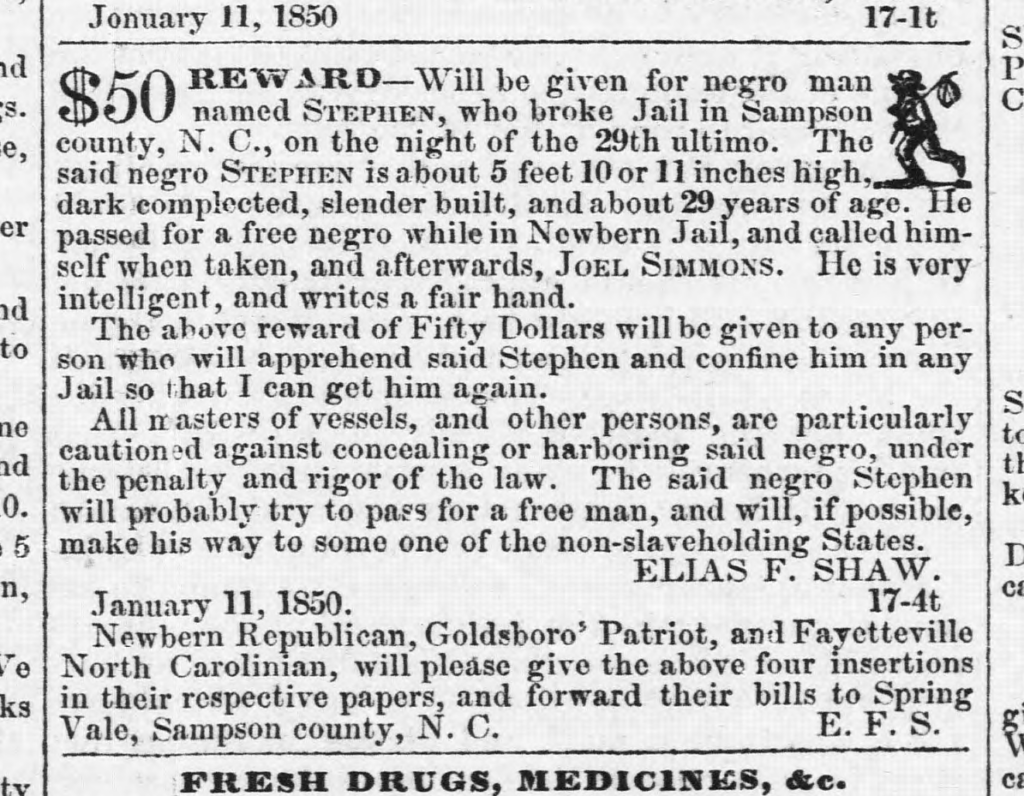
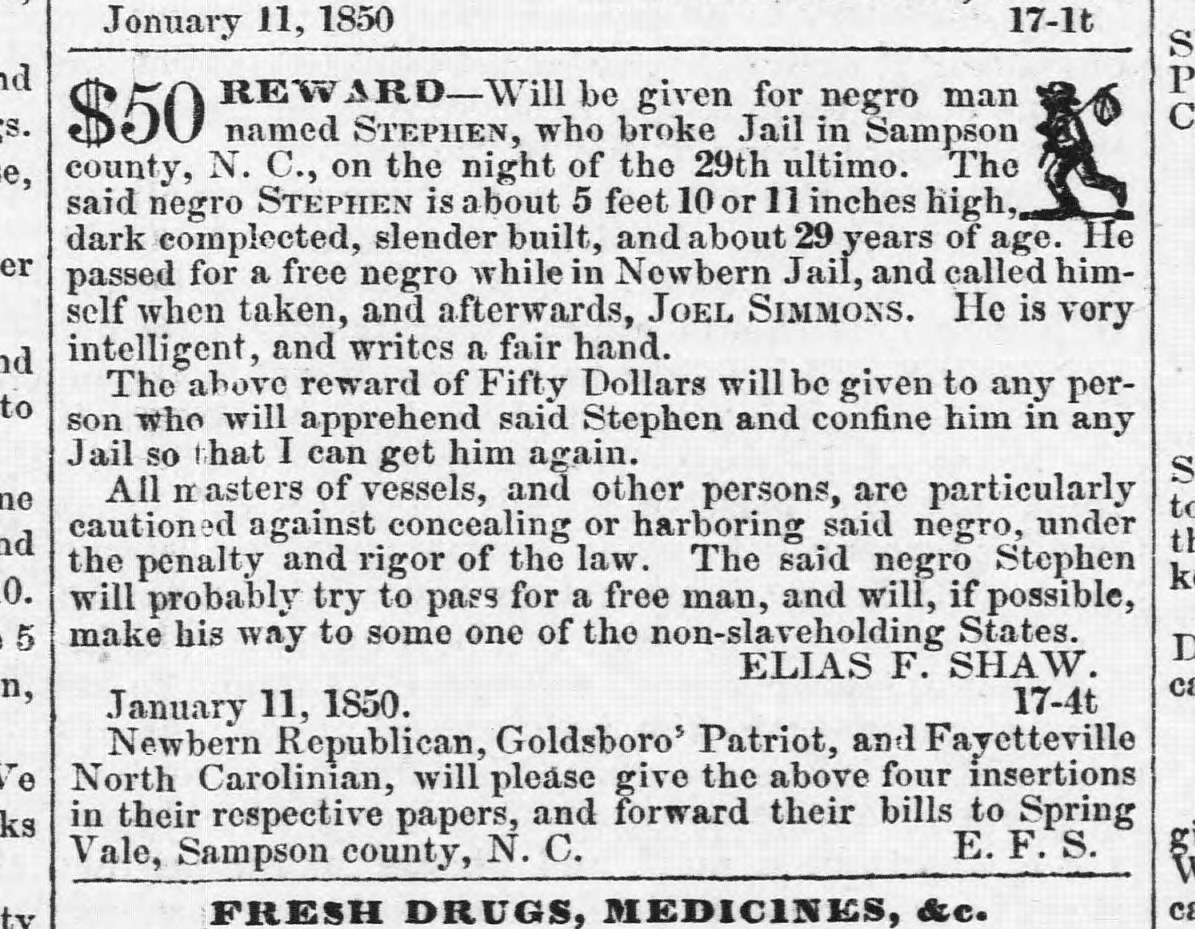
What can we learn about enslaved Africans through advertisements? With an advertisement projected for the class to study or on a hand-out, guide students through a discussion.
Student Prompts
- What archival source does Sharon Block use in her research?
- What type of archival materials is she using to gather information?
- What do we know about who is doing the advertising? Why do we know this?
- What do we know about who or what is being advertised? Why do we know this?
Student Prompts
- What information is given to us in this ad? Study every sentence.
- Do certain words or phrases stand out to you? Why?
- What outside information or context can we apply to this advertisement to understand is better?
Tips for Student Engagement
Read the advertisement out loud and have a few printout available.
Leave the question on the screen and allow 2–3 minutes for students to process.
Suggest that they use the time to write down a few thoughts in response to the question.
During the discussion, encourage students to nod along if they also thought about something that another student is saying.